Sciatica has a way of making every decision feel urgent. You want the pain gone today, and there is no shortage of products, gadgets, and promises competing for your attention. The honest answer is quieter than that. A small number of simple steps help most people, and a lot of what gets sold as relief does not change anything underneath.
What follows is drawn from current patient education sources on sciatica and low back pain, plus a look at the habits that quietly cost people weeks of progress and more money than they need to spend.
Start With the Basics That Cost Almost Nothing
Before you buy anything, look at what you already own or can pick up for a few dollars: a freezer, a heating pad, and a pharmacy. Temperature therapy and over-the-counter medication are the first things most sources mention for sciatic nerve pain, and both are inexpensive compared with almost everything else on the market.
Ice First, Then Heat
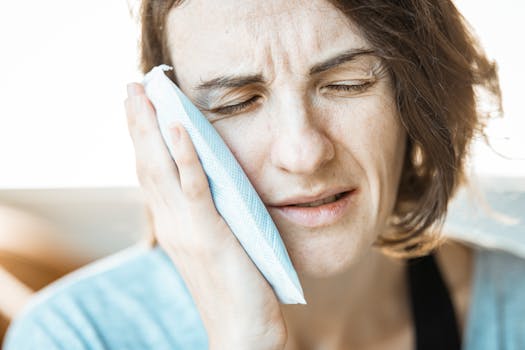
Timing matters more than most people realize. Ice helps reduce inflammation during the first 24 to 48 hours, according to guidance from Hartford HealthCare. After that window, heat becomes the more useful tool because it increases blood flow to the damaged area, while ice continues to help relieve inflammation.
Hot and cold therapy are both often effective at relieving sciatic nerve pain. That means this is less about picking a winner and more about matching the tool to the stage you are in. In the first day or two of a flare, cold is the usual starting point. Once the sharpest edge has passed, heat tends to feel better and helps the surrounding muscles relax.
Over-the-Counter Medication Has a Place, Not a Permanent Role
Over-the-counter medications such as ibuprofen or acetaminophen can help manage sciatica pain, and the anti-inflammatory ones work by reducing inflammation. Standard self-care guidance pairs nonsteroidal anti-inflammatory drugs like ibuprofen with heat or cold applied to the sore muscles.
What this is not is a long-term plan. If you find yourself reaching for the bottle every day for weeks, that is a signal to get the underlying problem looked at rather than to keep restocking. Anyone with stomach, kidney, heart, or bleeding concerns, or who takes prescription medication, should check with a pharmacist or physician before relying on NSAIDs.
Short Rest, Not Long Rest
One to two days of bed rest may provide pain relief. That is the entire window. Longer bed rest weakens the core muscles and increases stiffness, which worsens back pain and prolongs recovery.
This is one of the most common places people lose ground. Lying down feels good in the moment, and it is easy for two days to stretch into two weeks. The muscles that support your spine get weaker the whole time, which is why the pain tends to be worse when you finally get up.
Guided Exercise Is Where the Real Progress Happens
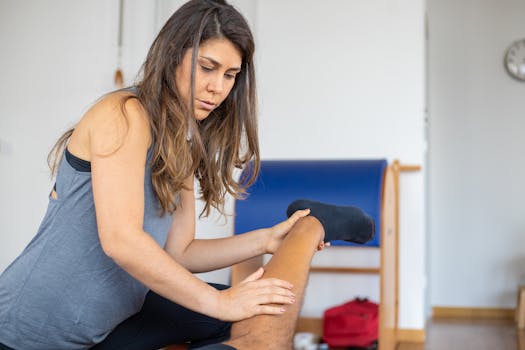
Physical therapy specialists design specific exercise programs to relieve low back pain. Those programs are typically done partly in a clinic with a therapist and partly at home on your own, which means the home portion is the part you control and the part that decides your outcome.
What Home Exercise Actually Looks Like
Exercise is the backbone of non-surgical sciatica care. There are established home routines built around relieving nerve pain without surgery, and core exercises are a standard part of sciatica pain relief for a straightforward reason: the core muscles are exactly what prolonged bed rest weakens.
That said, the match between the exercise and your situation matters as much as the exercise itself. A routine built for one person’s back can irritate another person’s. Before you commit to a program you found in a video, have a clinician or physical therapist watch how you move and adjust it to you.
Where People Waste Money and Time
Nothing on the list so far is expensive. The costly mistakes usually involve chasing relief without addressing what keeps the pain coming back.
- Prolonged bed rest. It costs nothing, which makes it feel harmless, but past the one to two day mark it weakens core muscles and prolongs recovery.
- Buying equipment before you have a plan. A device does nothing on its own. The plan is what does the work.
- Repeating passive treatments with no active component. If something feels good while you are on the table but your strength and movement never change, ask what the active part of the plan is.
- Quitting the exercise portion early. The home exercises are not a warm-up for the real treatment. They are the treatment.
- Missing the inflammation window. Skipping cold therapy in the first day or two and then wondering why the flare will not settle is a common and avoidable pattern.
A Quick Reference for Sciatica and Back Pain Relief
| Approach | What it does | What to keep in mind |
|---|---|---|
| Ice in the first 24 to 48 hours | Helps reduce inflammation | Best used early in a flare |
| Heat after the first day or two | Increases blood flow to the damaged area | Often the more comfortable choice once sharp pain eases |
| Ibuprofen or acetaminophen | Can help manage sciatica pain; ibuprofen reduces inflammation | Check with a pharmacist or physician about your own risks |
| One to two days of bed rest | May provide pain relief | Longer rest weakens core muscles and prolongs recovery |
| Therapist-designed exercise | Programs built to relieve low back pain | Meant to be done in clinic and at home |
| Core and nerve-focused home exercise | A standard part of sciatica pain relief | Should be matched to your body, not copied blindly |
Where Chiropractic and Acupuncture Fit In
If the basics are not enough, professional care can sit alongside the self-care habits that do the heavy lifting. Chiropuncture Inc. in Oxnard is the practice of Dr. Danny Lai, DC, LAc, a dually licensed chiropractor and acupuncturist with more than 30 years of experience in Ventura County. The practice combines chiropractic adjustments and acupuncture into a single integrated treatment approach, and sciatica and back pain are among the conditions it treats.
For readers in Oxnard and the surrounding Ventura County area, that means the adjustment and acupuncture parts of care can happen under one roof instead of across two schedules and two sets of appointments. Whichever route you take, ask what the plan includes, how progress will be measured, and what you are expected to do at home between visits. A provider who answers those questions clearly is worth more than any gadget.

What to Do This Week
- Use ice during the first 24 to 48 hours of a flare.
- Switch to heat once the sharpest pain settles.
- Use over-the-counter medication as directed, and not as a substitute for a plan.
- Limit bed rest to one to two days.
- Start gentle core and nerve-focused exercise, ideally with guidance.
- If things are not improving, or if you want chiropractic and acupuncture care together, call a licensed provider in your area.
Frequently Asked Questions
Does ice or heat work better for sciatica?
It depends on timing. Ice helps reduce inflammation during the first 24 to 48 hours of a flare. After that, heat becomes more useful because it increases blood flow to the damaged area. Both are often effective at relieving sciatic nerve pain, so the practical approach is cold early and heat later rather than choosing one forever.
Is bed rest good for sciatica?
Short rest can help, long rest hurts. One to two days of bed rest may provide pain relief. Beyond that, bed rest weakens the core muscles and increases stiffness, which worsens back pain and prolongs recovery. The goal is to return to gentle movement quickly rather than waiting in bed for the pain to disappear on its own.
Can sciatica improve without surgery?
Yes, non-surgical care is a normal starting point. Physical therapy specialists design specific exercise programs to relieve low back pain, and there are established home routines for relieving nerve pain without surgery. Core exercises are a standard part of that work, which is why guided exercise is usually the highest-value thing you can spend time on.
What can I take for sciatica pain?
Over-the-counter medications such as ibuprofen or acetaminophen can help manage sciatica pain, and ibuprofen works in part by reducing inflammation. Standard self-care guidance also pairs NSAIDs with heat or cold applied to the sore muscles. Check with a pharmacist or physician first if you have stomach, kidney, heart, or bleeding concerns, or take other medication.
How do I avoid wasting money on sciatica relief?
Spend on guidance, not gadgets. A provider who designs an exercise program you can also do at home, and who tells you what to do between visits, gives you something you keep. Any purchase that promises relief without changing your strength, movement, or daily habits is money you will likely spend again.