Sciatica is pain caused by irritation or compression of the sciatic nerve. You feel it in your lower back, your butt, and down your leg. That nerve runs from the lower back all the way to the feet, which is why a problem that starts near the spine can show up as a sharp, burning pain in the back of one leg, sometimes reaching the foot and toes. Sciatica is common, most people recover with stretching, medication, or physical therapy, and a large share of that recovery happens with simple habits you can manage at home. The trick is knowing which habits help and which ones quietly make the nerve angrier.
What sciatica usually feels like, and why the pattern matters
Symptoms most often affect the bottom and the back of one leg, often including the foot and toes. Along with pain, you may notice tingling like pins and needles, numbness, or weakness. Symptoms can come on suddenly, and they can shift from day to day.
Sciatica usually gets better in a few weeks to a few months, though it can last longer, and there is a chance it could happen again at some point. Because the nerve travels such a long distance, two people with the same diagnosis can describe completely different days. One person feels a deep ache in the buttock. Another feels a burning line down the calf with numb toes. Pay attention to your own pattern, because that is what tells you which movements calm things down and which ones stir them up.
The first rule: do not push through the pain
Pushing through back pain is one of the most common ways people turn a manageable flare into a miserable week. The guidance is to let your body recover rather than forcing your way through it, and to choose low-impact activity when you need it.
At the same time, complete stillness is not the goal. The general advice for sciatica is to carry on with your normal activities as much as possible and to start gentle exercise as soon as you can. The balancing act sounds simple: move, but move in a way that does not spike your symptoms. If a movement sends sharp pain shooting down the leg, that is information, not a challenge to overcome.
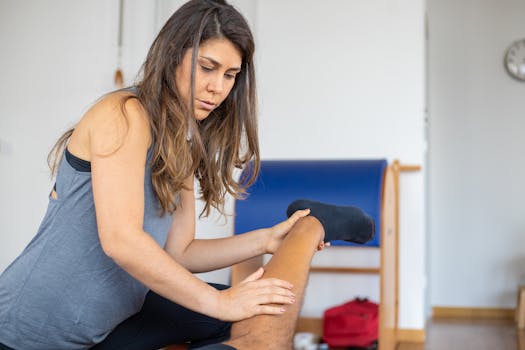
Heat and cold: two simple tools used correctly
Cold and heat are the cheapest forms of relief available at home, and both are recognized home remedies for sciatica. What matters is how you apply them.
| Method | How it is typically used |
|---|---|
| Cold pack | Place a cold pack on the painful area for up to 20 minutes, several times a day. |
| Ice massage | Freeze water in a paper cup, tear away the top half of the cup, and use the exposed ice to massage the painful area. |
| Hot pack | Listed alongside cold as a home remedy for sciatica pain. Many people use heat for comfort and stiffness. |
Cold tends to be the go-to when an area feels inflamed and hot. Heat tends to feel better on muscle tightness and stiffness. If one does not help after a fair trial, try the other rather than assuming nothing works.
Gentle stretches and exercises you can do at home
Stretching is one of the main reasons most people with sciatica recover, and a handful of movements come up again and again because they are simple, low risk, and easy to scale. Move slowly, breathe, and stop short of anything that produces a sharp electric jolt down the leg.
Knee to chest
Lie on your back with your legs extended and try not to arch your back. Slowly bring one knee toward your chest and grasp it with your hands. Hold it gently while you breathe, then release and repeat on the other side. This is a good starting point on days when everything feels tight and you want something slow and controlled. Do not yank the knee in and do not force the range.
Cat-cow
On your hands and knees, alternate between arching your back and rounding it, moving slowly and matching the motion to your breathing. It is one of the quick relief options people reach for because it gets the spine moving without loading it heavily. Keep the range comfortable and skip it if the position itself makes the leg pain worse.
Bridge
Lie on your back with your knees bent and your feet flat, then lift your hips a few inches and lower them slowly. Bridging works the glutes and the back of the hips, which are the muscles that often tighten up around a sore lower back. Keep the movement small at first and build from there.
Quadruped arm and leg (bird dog)
From hands and knees, extend one arm and the opposite leg, hold briefly, then return and switch sides. This teaches your trunk to stay stable while your limbs move, which is exactly the skill your back needs when you bend, reach, and lift in daily life. Slow and steady beats fast and sloppy here.
A short round of these movements, done once or twice a day, is plenty to begin with. Quality matters more than volume.
Keep moving with low-impact activity
When you are deciding what to do with your body on a painful day, low-impact options are the safer bet. Walking, swimming, and yoga are the standard examples of activities that keep you moving without pounding your spine. Gentle exercise as soon as you reasonably can is better than waiting for a perfect pain-free day that may not arrive.
The practical version looks like this: a short walk instead of a long run, water instead of heavy weights, and a slow yoga flow instead of a power class. You are trying to keep blood moving and muscles from stiffening, not to test your limits.
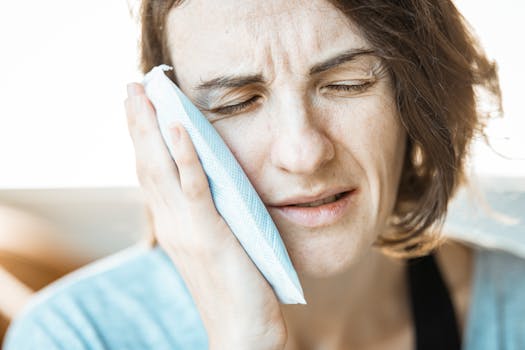
Rest, but only for a short time
Short rest has a place. When the pain spikes, lying down briefly can take pressure off an irritated nerve and give you a reset. The mistake is turning a short rest into a full day in bed, which leaves the surrounding muscles stiff and makes the first movements afterward harder.
A reasonable approach is to rest briefly when the pain flares, then get back to gentle activity as soon as you can tolerate it. Short rest, followed by movement, tends to work better than long rest followed by dread.
When home care is not enough
Home care covers a lot of ground, but it is not unlimited. People with severe pain, or pain that does not improve within a few weeks, may need imaging such as an X-ray or an MRI. During a physical exam, a healthcare professional might check your muscle strength and reflexes by asking you to walk on your toes or heels, rise from a squatting position, and lift your legs one at a time while lying on your back. Severe cases may need surgery.
If your symptoms are getting worse instead of better, if weakness is progressing, or if you simply are not improving on the timeline you expected, that is the moment to get evaluated rather than to keep experimenting at home.

Where chiropractic and acupuncture fit into an at-home plan
Home care works best when it is paired with hands-on treatment rather than replacing it. The National Institutes of Health recognizes acupuncture as a safe therapy to complement conventional treatments for sciatica and other lower back pain, which makes it a reasonable addition when self-care alone is not moving the needle.
At Chiropuncture Inc. in Oxnard, Dr. Danny Lai, DC, LAc combines chiropractic adjustments and acupuncture into a single integrated approach. He is dually licensed in both fields and has more than 30 years of experience in Ventura County, working with sciatica, back, neck, and shoulder pain, pinched nerves, herniated discs, headaches, and auto injuries. The point of treatment is not to replace the stretching, walking, and ice packs you do at home. It is to make those things easier to do, and to keep the progress going between visits.
Frequently Asked Questions
Does sciatica go away on its own?
Often, yes. Sciatica usually gets better in a few weeks to a few months, and most people recover with stretching, medication, or physical therapy. It can last longer in some cases, and there is a chance it could happen again at some point. If your symptoms are severe or are not improving within a few weeks, it is worth getting checked.
What is the worst thing to do with sciatica?
The most common mistake is pushing through the pain instead of letting your body recover. The other extreme, staying in bed for days, leaves muscles stiff and makes movement harder. The middle path is short rest when pain flares, then gentle exercise and normal activity as much as you can tolerate, plus low-impact choices like walking, swimming, or yoga.
How fast can sciatica relief come?
Some people get relief from a single round of simple movements like cat-cow, bridging, or a knee-to-chest stretch. Others need consistent daily work over a period of days or weeks. There is no universal fastest fix, and anyone promising one is overselling. Track what helps you, repeat it, and give the nerve time to settle.
Should I use heat or ice for sciatica?
Both are recognized home remedies, so the honest answer is to use whichever feels better and to switch if one does not help. A cold pack can be applied to the painful area for up to 20 minutes several times a day, and an ice massage made from a frozen paper cup is another option. Heat is often preferred for stiffness.
Can acupuncture help with sciatica?
The National Institutes of Health recognizes acupuncture as a safe therapy to complement conventional treatments for sciatica and other lower back pain. It is generally used alongside stretching, activity, and other care rather than on its own. If you are considering it, ask about the practitioner’s licensing and how treatment would fit with your other care.
Nothing in this list is complicated, and that is the point. Short rest when you need it, gentle movement as soon as you can manage, cold or heat applied with a little discipline, and a handful of stretches done consistently will carry most people through a sciatica flare without making things worse. When progress stalls, get an evaluation and consider adding hands-on care such as the combined chiropractic and acupuncture approach offered at Chiropuncture Inc. in Oxnard, so the work you do at home has something supporting it.